- Traditional PBM contracts may include spread pricing, retained rebates, and administrative fees.
- Pass-through PBM contracts generally pass pharmacy costs and applicable rebates to the health plan.
- Administrative fees and additional charges can vary between contracts.
- Employers should compare pharmacy payments, rebate terms, and claim-level reporting.
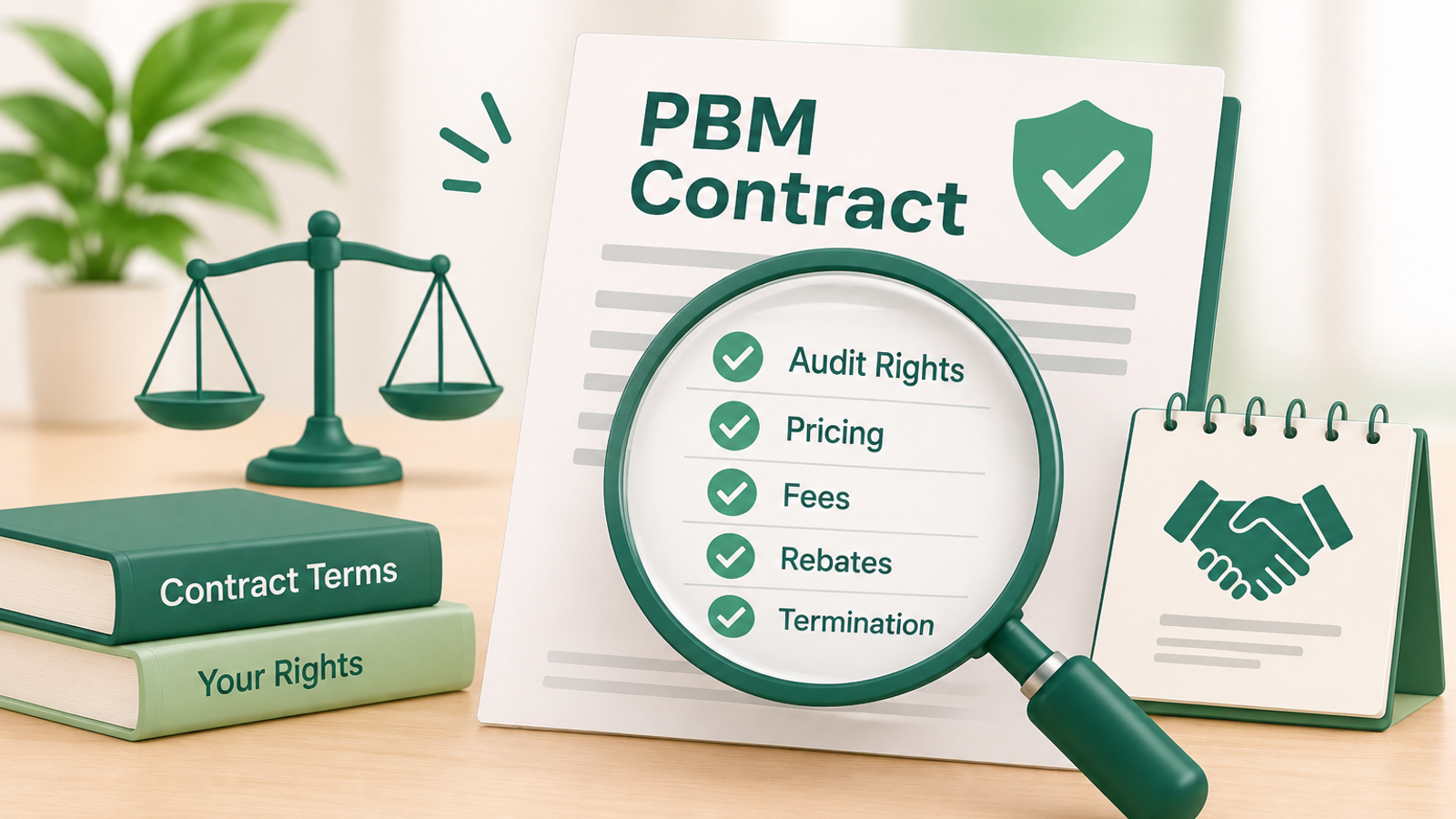
- Reviewing contract terms, audit rights, and service responsibilities helps employers make informed PBM decisions.
When employers review their pharmacy benefit manager (PBM) contracts, they often compare traditional and pass-through arrangements. Both types of contracts cover prescription benefits, pharmacy payments, and manufacturer rebates. However, they differ in how the PBM earns money and reports costs. Understanding Pass-Through Vs Traditional PBM Contracts helps employers see how prescription costs are handled and what fees they may need to pay. The main differences include pharmacy reimbursement, administrative fees, rebate payments, and access to claim-level information. Some contracts may also combine features of both models. This makes it important to read the contract terms carefully instead of relying only on its label. This guide explains these differences and what employers should check before choosing a PBM.
How Traditional and Pass-Through PBM Contracts Work
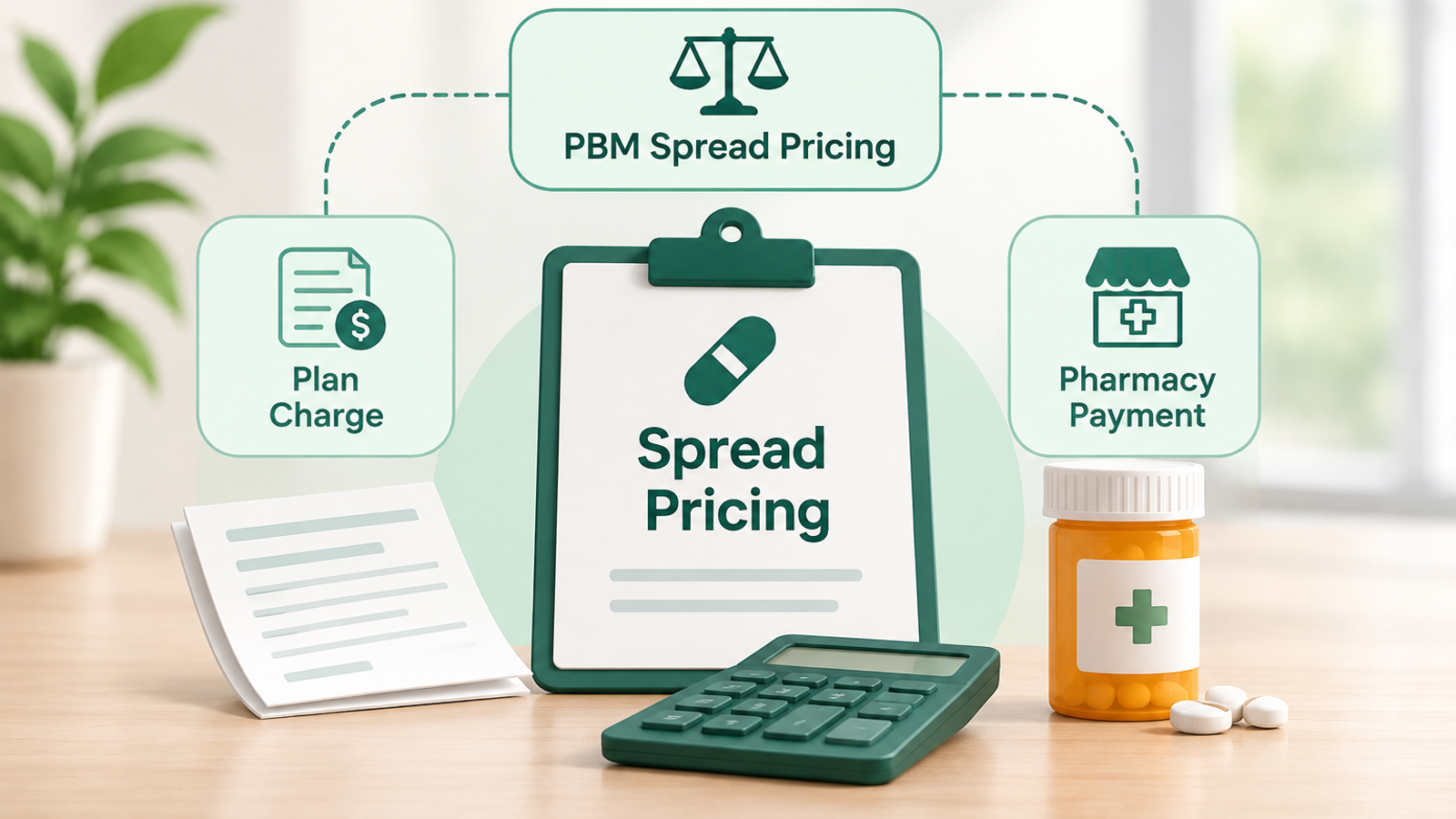
Traditional PBM contracts may include spread pricing, retained rebates, and other sources of revenue. With spread pricing, the PBM charges the health plan more than it pays the dispensing pharmacy for a prescription. The PBM may keep the difference as revenue. Pass-through contracts work differently. They generally pass negotiated pharmacy costs and applicable manufacturer rebates to the health plan, based on the contract terms. The PBM usually earns money through a separate administrative fee.
To understand these PBM pricing models, employers should look at how each contract handles payments and fees, not just the contract name.
- Traditional contract structure: The PBM may earn money through spread pricing, retained rebates, administrative fees, or other charges.
- Pass-through structure: The PBM passes through pharmacy claim payments and applicable rebates as stated in the contract.
- PBM compensation: Traditional contracts may include several sources of revenue. Pass-through contracts generally list the PBM's service fees separately.
- Pharmacy payments: Both models involve payments to dispensing pharmacies. However, the way these payments are reported may differ.
- Contract definitions: Employers should check how the contract explains claim costs, rebates, adjustments, and PBM compensation.
What Changes in Pricing, Fees, and Pharmacy Payments?
The main difference between Pass-Through Vs Traditional Pbm Contracts is how prescription costs and PBM compensation are structured. In a traditional arrangement, the amount charged to the plan may differ from the amount paid to the pharmacy. In a pass-through arrangement, the contract generally requires the PBM to pass through the agreed pharmacy costs and disclose its compensation separately. However, the exact treatment of dispensing fees, network charges, and other expenses depends on the agreement.
Employers should examine the following details when comparing these PBM pricing models:
- Plan charges: Check how much the health plan pays for each prescription and how the amount is worked out.
- Pharmacy reimbursement: Find out how much the dispensing pharmacy receives and whether the PBM shares payment details.
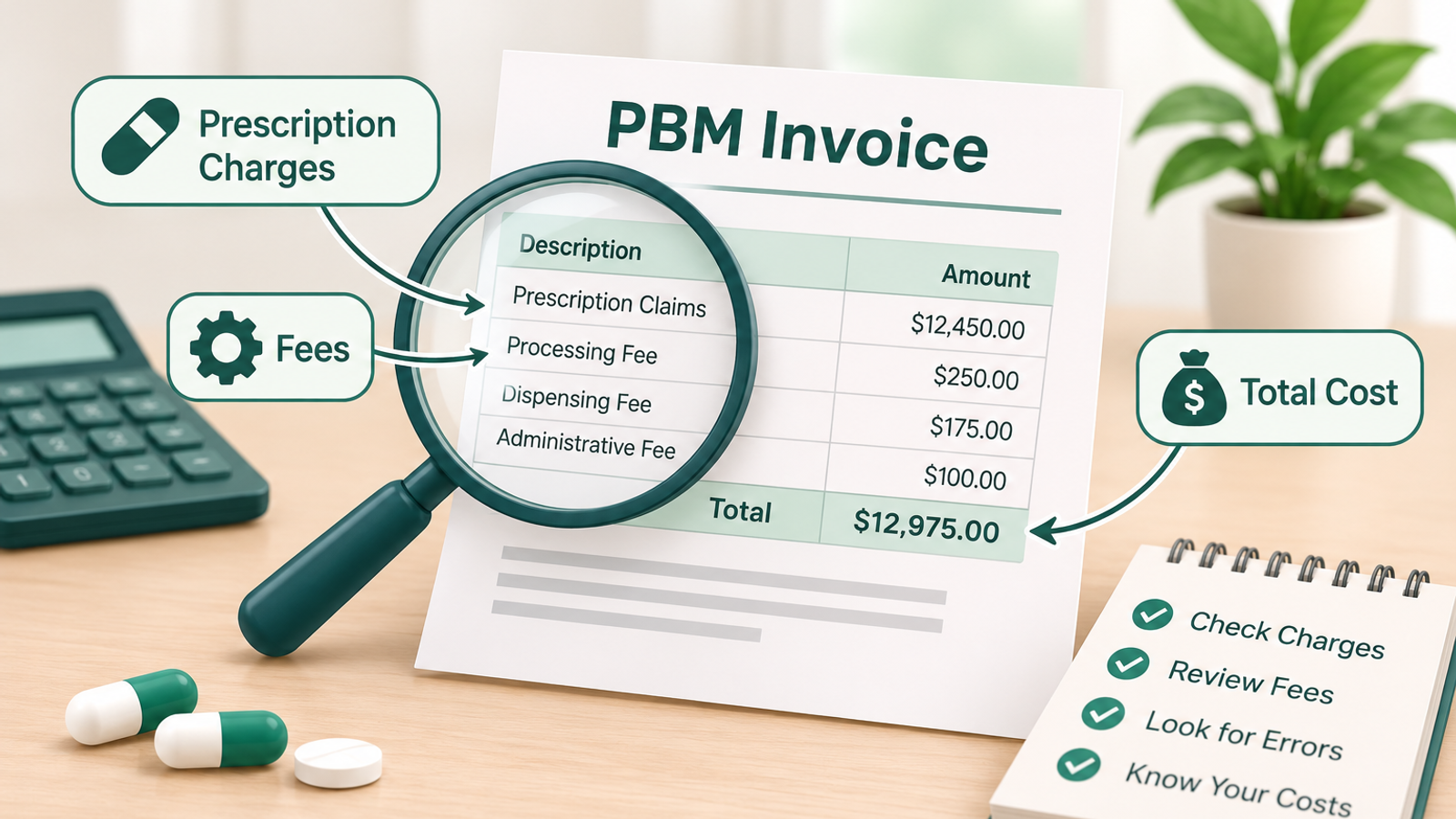
- Administrative fees: Check whether the PBM charges a flat per-employee-per-month fee, a per-claim fee, or other service charges.
- Additional expenses: Look for network fees, clinical program fees, data charges, and other costs listed in the contract.
- Payment reconciliation: Check how claim reversals, adjustments, and corrections appear in invoices and pharmacy payment reports.
These details help employers understand the actual financial arrangement rather than relying on a general description of the pricing structure. More information is available on Kanurra's PBM pricing page.
How Do Manufacturer Rebates Differ Between the Two Models?
Manufacturer rebates are payments that drug manufacturers may provide under agreements involving eligible prescription medications. Their amount and distribution depend on factors such as the drug, formulary placement, utilization, and contractual arrangements. In some traditional PBM contracts, the PBM may retain some rebates or use rebate guarantees as part of its compensation structure. Under a pass-through arrangement, rebates received for the health plan are generally credited or returned according to the agreement.
When comparing Pass-Through Vs Traditional Pbm Contracts, employers should understand how rebates are reported and reconciled rather than assuming that every contract handles them in the same way.
- Rebate agreements: Check which manufacturer rebate arrangements apply to the plan and which medications are eligible.
- Rebate reporting: Ask how often the PBM provides rebate reports and what information they contain.
- Pass-through terms: Review whether rebates received are credited to the health plan and how the timing of those credits is determined.
- Administrative deductions: Identify whether any contractual fees or permitted deductions apply before rebates are credited.
- Reconciliation records: Compare reported rebate amounts with the credits or payments reflected in plan statements.
A pass-through label does not automatically explain every rebate arrangement. Employers should read the relevant contract provisions. Kanurra's PBM rebates resource provides additional information about how rebate pass-through works.
What Should Employers Review Before Choosing a Contract?
Choosing between traditional and pass-through arrangements requires more than comparing advertised fees. Employers need to understand the services included, the PBM's compensation, the available reporting, and the contract's audit provisions. A detailed review can also reveal whether the proposed arrangement addresses problems with the employer's existing pharmacy benefits.
Before signing an agreement, employers evaluating Pass-Through Vs Traditional Pbm Contracts can examine these five areas:
- Review the full contract: Identify all revenue sources, payment definitions, rebate provisions, and additional charges.
- Request claim-level data: Confirm that reports provide enough information to compare plan charges with pharmacy payments.
- Check audit rights: Understand whether the employer can inspect supporting records and verify contractual payments.
- Evaluate service responsibilities: Review how the PBM handles pharmacy networks, formulary management, prior authorization, and member support.
- Plan for contract changes: Check termination conditions, data access, transition responsibilities, and member communication requirements.
Employers can use Kanurra's PBM audit checklist to organize these questions. Those considering a provider change can also review the PBM switching guide.
Conclusion
Traditional and pass-through PBM arrangements differ mainly in how claim payments, rebates, and PBM compensation are structured. Neither contract label tells employers everything about the total cost or services provided. Reviewing pharmacy payments, administrative fees, rebate terms, and audit rights helps clarify what an agreement actually includes. A careful comparison allows employers to evaluate whether a pricing structure meets their plan's needs. For help understanding your current pharmacy benefit costs, contact Kanurra or request a claims audit to review your existing PBM arrangement.
Frequently asked questions
What is the difference between pass-through and traditional PBM contracts?
Traditional contracts may include spread pricing and retained rebates, while pass-through contracts generally separate PBM fees from pharmacy costs and pass through applicable rebates.
How does spread pricing work in a traditional PBM contract?
Spread pricing occurs when a PBM charges the health plan more than it pays the dispensing pharmacy and keeps the difference as revenue.
Are administrative fees different in pass-through PBM contracts?
Pass-through contracts generally list administrative fees separately from prescription claim costs.
Do pass-through PBM contracts guarantee that all rebates go to the health plan?
Not always; employers should review the contract to understand which rebates are passed through and whether any deductions apply.
What should employers check before choosing a PBM contract?
Employers should review pharmacy reimbursement, administrative fees, rebate terms, claim-level reporting, audit rights, and additional charges.
Written by
Kanurra